Top 8 Reaction Memes That Instantly Elevate Your Online Replies
Master the art of digital communication with these essential reaction meme templates, perfect for making your comments and posts stand out and resonate instantly.
Top 8 Reaction Memes That Instantly Elevate Your Online Replies
In the fast-paced world of internet culture, a well-placed reaction meme can speak volumes, conveying complex emotions and witty commentary with a single image. For content creators, social media managers, and casual users alike, mastering the art of the reaction meme is crucial for engaging audiences, sparking conversations, and adding a layer of humor or relatability to any digital interaction. These visual shorthand tools are not just fleeting trends; they are fundamental elements of modern communication, shaping how we express ourselves in comments, replies, stitched posts, and even long-form content. Understanding their nuances allows creators to tap into viral behavior, leverage established usage patterns, and craft algorithm-optimized editorial writing that resonates deeply with diverse online communities. This guide dives into eight essential reaction meme templates that have proven their enduring power in the digital landscape, offering insights into their typical caption trends, remix formats, and why they remain indispensable for anyone looking to make their mark on the internet.
About this meme
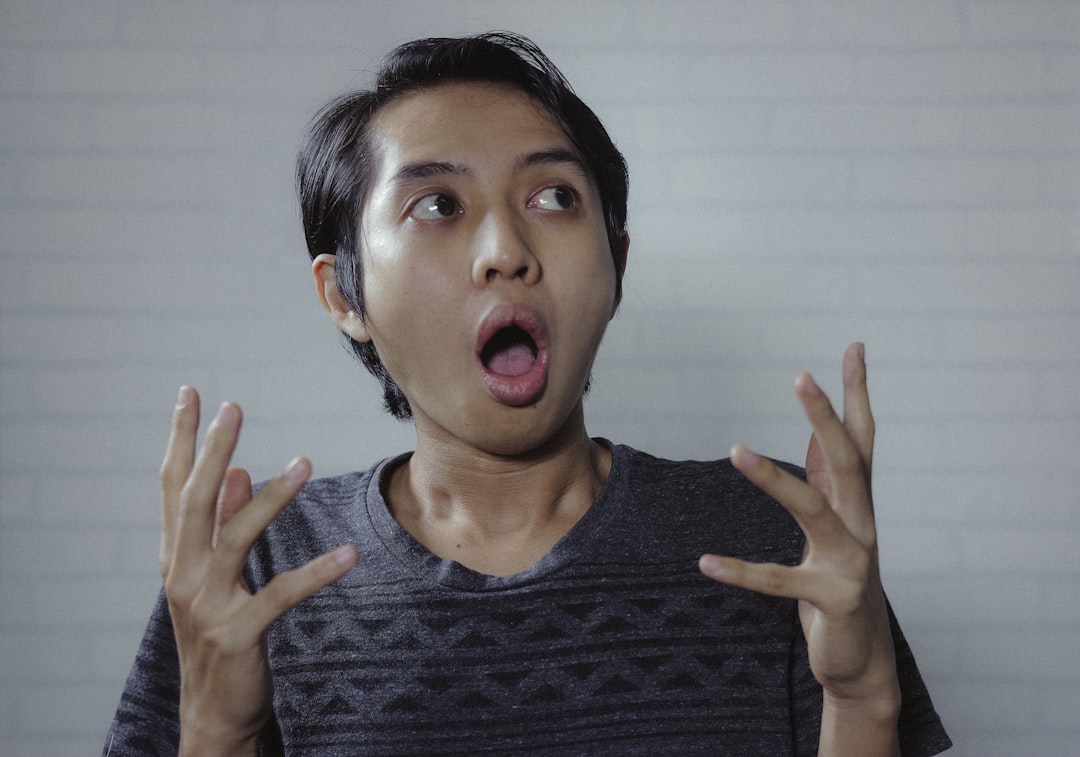
The "Happy / Shock" meme template captures a universal human experience: the swift transition from joy or contentment to utter surprise or disappointment. This two-panel format, often featuring a person's face shifting from a smile to a look of bewildered shock, is incredibly effective for illustrating unexpected twists, ironic revelations, or the sudden realization of a harsh truth. Its power lies in its immediate relatability, making it a go-to for expressing "wait, what?" moments across social platforms. Creators often compare its emotional arc with the subtle exasperation found in the Dinkleberg meme when depicting a recurring annoyance, or contrast it with the triumphant irony of Achievement Unlocked when a situation takes an unexpected turn. The format's strength lies in how it adapts to different scenarios, much like how Squidward's various expressions have evolved to meet modern content creation needs. Whether you're crafting a witty reply or building a narrative arc in your content, understanding how this template compares to And Just Like That can significantly enhance your creative output. The template's enduring popularity stems from its ability to capture complex emotions in a simple, shareable format that resonates across different platforms and audiences.
Creators frequently use "Happy / Shock" to caption unexpected plot twists in stories, highlight ironic outcomes, or react to surprising news in comment sections. It's perfect for stitched posts on TikTok showcasing a positive expectation followed by a hilarious reality, or for illustrating a sudden change of mood in conversation screenshots. Social pages deploy it to comment on current events or relatable everyday mishaps, making it a versatile tool for conveying a quick, impactful emotional shift without needing extensive text.
- Caption usage suggestion: "Me thinking I have the day off vs. realizing it's Tuesday."
- Posting usage suggestion: Create a two-part video where the first part is positive, and the second reveals a shocking twist.
- Editing usage suggestion: Overlay text on each panel to quickly convey the before-and-after emotional state.
- Audience-fit suggestion: Ideal for audiences who appreciate relatable humor and ironic observations about daily life.
A: Use it to depict your own relatable experiences, like a sudden realization about a task you forgot.
A: While primarily humorous, it can be used ironically for serious topics to highlight absurdity or unexpected developments.
A: Focus on highly relatable, universally understood scenarios that evoke a strong, immediate emotional response from viewers.
2. Dinkleberg
About this meme
The "Dinkleberg" meme, originating from The Fairly OddParents, perfectly encapsulates feelings of exasperation, suspicion, or mild resentment towards a seemingly perfect rival. It's often used to humorously blame an external, often undeserving, party for one's own misfortunes or annoyances. This template thrives on its ability to articulate a specific kind of petty jealousy or the feeling that someone else is always getting ahead, regardless of the situation. Its enduring appeal lies in its relatable portrayal of a common human emotion. It's frequently compared to the sudden emotional shifts seen in the Happy / Shock meme when an unexpected setback occurs, or the conspiratorial tone of Skeletor Disturbing Facts when revealing a perceived injustice. The format's strength lies in how it adapts to different scenarios, much like how the collective frustration of What Do We Want has evolved to meet modern content creation needs. Whether you're crafting a witty reply or building a narrative arc in your content, understanding how this template compares to Illusion of Free Choice can significantly enhance your creative output. The template's enduring popularity stems from its ability to capture complex emotions in a simple, shareable format that resonates across different platforms and audiences.
Creators use "Dinkleberg" to caption everyday annoyances, highlight perceived unfairness, or playfully blame an external factor for minor inconveniences. It's common in replies to posts about someone else's success, or in stitched content where a seemingly perfect scenario is undercut by a subtle, jealous observation. Social pages leverage it for relatable humor about competition, sibling rivalry, or the general frustrations of life, making it a staple for expressing a specific brand of ironic resentment.
- Caption usage suggestion: "My neighbor's perfect lawn... Dinkleberg!"
- Posting usage suggestion: Share a story about a minor personal setback and attribute it to a "Dinkleberg" figure.
- Editing usage suggestion: Overlay the "Dinkleberg!" text over an image of a seemingly innocuous rival.
- Audience-fit suggestion: Appeals to audiences who enjoy ironic humor, relatable frustrations, and animated show references.
A: Rarely, its core is ironic resentment, but it can be used to praise a rival sarcastically.
A: Its universal relatability to feelings of mild jealousy and the humor in exaggerated blame.
A: Reserve it for situations where the "Dinkleberg" element is genuinely a subtle, recurring annoyance, not a major conflict.
About this meme
The "What Do We Want" meme, featuring a crowd chanting, is a powerful template for expressing collective desires, demands, or frustrations in a humorous and often ironic way. It's highly effective for articulating a shared sentiment, whether it's a universal craving for pizza or a more pointed commentary on societal issues. The meme's strength lies in its ability to amplify a common voice, making it instantly recognizable and relatable for group reactions. Its usage often mirrors the collaborative spirit or contrasting viewpoints found in the Black White Arms meme when showing unity, or the argumentative stance of Marvel Civil War 1 when depicting a clear divide. The format's strength lies in how it adapts to different scenarios, much like how the assertive declaration of I Believe In Supremacy has evolved to meet modern content creation needs. Whether you're crafting a witty reply or building a narrative arc in your content, understanding how this template compares to Yhorm Dark Souls can significantly enhance your creative output. The template's enduring popularity stems from its ability to capture complex emotions in a simple, shareable format that resonates across different platforms and audiences.
Creators use "What Do We Want" to caption shared desires in comment sections, express collective frustration in social media posts, or highlight common demands in fan edits. It's frequently employed to articulate universal needs like more sleep or less work, often with a humorous twist. Social pages utilize it to rally their audience around a common theme, product, or opinion, making it an excellent tool for community engagement and expressing a unified, often playful, voice.
- Caption usage suggestion: "What do we want? More memes! When do we want them? Now!"
- Posting usage suggestion: Ask a question to your audience and then use the meme to show their collective answer.
- Editing usage suggestion: Animate text over the crowd to emphasize the "demand" and "when" aspects.
- Audience-fit suggestion: Great for engaging large groups and expressing popular opinions or desires.
A: While often humorous, its origin implies protest, so it can be adapted for serious commentary.
A: Ensure the "when" is immediate and adds to the humor or urgency of the demand.
A: Focusing on universal desires or frustrations that many people experience.
About this meme
The "Achievement Unlocked" meme, styled after Xbox 360 achievements, is a highly versatile template used to humorously mark minor accomplishments, ironic milestones, or even everyday failures. Its appeal lies in its ability to gamify mundane experiences, turning them into mock achievements that resonate with anyone familiar with video game culture. This meme excels at adding a layer of self-aware humor to almost any situation, making it a staple for online reactions. It often finds parallels with the enthusiastic approval of Buddy Christ when celebrating a small win, or the chaotic journey depicted in 20 Minute Adventure Rick Morty when a simple task becomes an epic quest. The format's strength lies in how it adapts to different scenarios, much like how the sudden emotional shifts of Happy / Shock have evolved to meet modern content creation needs. Whether you're crafting a witty reply or building a narrative arc in your content, understanding how this template compares to And Just Like That can significantly enhance your creative output. The template's enduring popularity stems from its ability to capture complex emotions in a simple, shareable format that resonates across different platforms and audiences.
Creators use "Achievement Unlocked" to caption personal victories like finishing a chore, surviving a Monday, or making a perfect cup of coffee. It's popular in replies to celebrate someone's small win or ironically comment on a minor setback. In fan edits, it can mark character development or humorous plot points. Social pages use it to engage audiences by inviting them to share their own "achievements," fostering a sense of community and lighthearted self-deprecating humor.
- Caption usage suggestion: "Achievement Unlocked: Woke up before my alarm."
- Posting usage suggestion: Share a photo of a mundane task completed with the meme overlay.
- Editing usage suggestion: Create a short video clip ending with the achievement pop-up for a comedic effect.
- Audience-fit suggestion: Ideal for gamers, tech-savvy users, and anyone who appreciates ironic, self-aware humor.
A: Absolutely, the humor comes from tailoring the achievement to specific, relatable scenarios.
A: Yes, its classic format and universal concept of "achievement" keep it evergreen.
A: Highlight small "achievements" customers make with your product or service, like "Achievement Unlocked: Saved money with [Brand Name]!"
About this meme
The "And Just Like That" meme, often featuring Forrest Gump, is a poignant and humorous template for marking sudden conclusions, unexpected departures, or swift changes in a narrative. It's particularly effective for summarizing a series of events with a sense of finality or irony, making it a powerful tool for storytelling in short-form content. The meme's strength lies in its ability to convey a quick transition, often with a touch of dramatic flair or comedic understatement. Its narrative function often aligns with the abrupt emotional shifts seen in the Happy / Shock meme when a situation takes an unforeseen turn, or the subtle deflection of These Aren't The Droids You Were Looking For when a topic is quickly dismissed. The format's strength lies in how it adapts to different scenarios, much like how Squidward's various expressions have evolved to meet modern content creation needs. Whether you're crafting a witty reply or building a narrative arc in your content, understanding how this template compares to Dinkleberg can significantly enhance your creative output. The template's enduring popularity stems from its ability to capture complex emotions in a simple, shareable format that resonates across different platforms and audiences.
Creators use "And Just Like That" to caption the abrupt end of a trend, a sudden change in plans, or the quick resolution of a minor conflict. It's popular in replies to signify a swift exit from a conversation or a conclusive statement. In fan edits, it can mark a character's departure or a significant plot twist. Social pages deploy it to summarize quick news updates, highlight rapid shifts in pop culture, or humorously conclude a series of relatable events, making it ideal for concise storytelling.
- Caption usage suggestion: "I tried to be productive, and just like that, I was on TikTok."
- Posting usage suggestion: Use it as the final frame in a video illustrating a quick, unexpected outcome.
- Editing usage suggestion: Overlay the text at the end of a montage to signify a rapid conclusion.
- Audience-fit suggestion: Appeals to audiences who appreciate concise storytelling, pop culture references, and ironic outcomes.
A: No, it can also be used for genuinely poignant or reflective conclusions.
A: Ensure the preceding content clearly sets up the suddenness of the conclusion.
A: While originating from it, the phrase and template are widely understood beyond the original context.
About this meme
The "Skeletor Disturbing Facts" meme features the iconic villain sharing unsettling or ironic truths, often followed by his signature laugh. This template is a masterclass in delivering unexpected revelations, dark humor, or cynical observations under the guise of a cartoon character. Its effectiveness stems from the juxtaposition of a nostalgic figure with often uncomfortable realities, creating a unique blend of humor and thought-provocation. It frequently draws comparisons to the exasperated blame of the Dinkleberg meme when highlighting a recurring societal flaw, or the perceived lack of agency in the Illusion of Free Choice when exposing systemic issues. The format's strength lies in how it adapts to different scenarios, much like how the collective demands of What Do We Want have evolved to meet modern content creation needs. Whether you're crafting a witty reply or building a narrative arc in your content, understanding how this template compares to Happy / Shock can significantly enhance your creative output. The template's enduring popularity stems from its ability to capture complex emotions in a simple, shareable format that resonates across different platforms and audiences.
Creators use "Skeletor Disturbing Facts" to caption surprising historical tidbits, ironic observations about modern life, or slightly dark philosophical thoughts. It's popular in replies to add a cynical or unexpected twist to a conversation. In short-form content, it can serve as a comedic interlude where Skeletor drops a "truth bomb." Social pages leverage it to spark discussions, share niche knowledge, or simply add a touch of edgy humor, making it a distinctive voice for delivering unconventional insights.
- Caption usage suggestion: "Skeletor: 'Did you know the average person swallows 8 spiders a year?' *evil laugh*"
- Posting usage suggestion: Create a series of "disturbing facts" posts using this template.
- Editing usage suggestion: Add a sound clip of Skeletor's laugh for maximum effect in video content.
- Audience-fit suggestion: Appeals to audiences who enjoy dark humor, nostalgia, and ironic commentary.
A: Not necessarily, it can be a humorous or ironic "fact" for comedic effect.
A: Keep the facts slightly sinister, often with a touch of self-satisfaction or a cynical worldview.
A: Best for platforms where dark or ironic humor is appreciated; consider audience on more sensitive platforms.
About this meme
The "These Aren't The Droids You Were Looking For" meme, from Star Wars, is the ultimate template for humorous deflection, misdirection, or subtly changing the subject. It's incredibly effective for situations where you want to dismiss an inconvenient truth, avoid an awkward conversation, or simply shift focus with a touch of iconic sci-fi charm. The meme's power lies in its implied mind trick, making it instantly recognizable and universally understood as a way to gracefully (or comically) sidestep an issue. Its usage often aligns with the perceived lack of genuine choice in the Illusion of Free Choice meme when a decision is predetermined, or the clear division of opinion in Marvel Civil War 1 when avoiding conflict. The format's strength lies in how it adapts to different scenarios, much like how the politically charged commentary of Blank Red MAGA Hat has evolved to meet modern content creation needs. Whether you're crafting a witty reply or building a narrative arc in your content, understanding how this template compares to And Just Like That can significantly enhance your creative output. The template's enduring popularity stems from its ability to capture complex emotions in a simple, shareable format that resonates across different platforms and audiences.
Creators use "These Aren't The Droids You Were Looking For" to caption attempts to avoid responsibilities, deflect awkward questions, or subtly change the topic in online discussions. It's popular in replies to humorously dismiss an unwanted suggestion or to sidestep a direct inquiry. In fan edits, it can be used to show a character skillfully avoiding a trap or a difficult conversation. Social pages leverage it for relatable humor about procrastination, avoiding chores, or simply wanting to move on from a tedious subject, making it a charming tool for digital evasion.
- Caption usage suggestion: "My boss asking about the deadline. Me: 'These aren't the reports you were looking for.'"
- Posting usage suggestion: Use it to humorously dismiss a common misconception about your niche.
- Editing usage suggestion: Overlay the text on a situation where someone is clearly trying to avoid something.
- Audience-fit suggestion: Appeals to Star Wars fans, those who appreciate subtle humor, and anyone who's ever wanted to magically avoid a task.
A: While its origin is serious, its meme usage is almost exclusively humorous or ironic.
A: The key is context; the audience should understand what you're trying to avoid.
A: It can also be used to humorously suggest something isn't important or relevant.
8. Squidward
About this meme
The "Squidward" meme, particularly featuring his various expressions from Spongebob Squarepants, is a goldmine for reaction content, ranging from utter disdain and exasperation to unexpected transformations and unbridled joy. His iconic facial expressions make him a highly versatile template for conveying a wide spectrum of emotions, often with a comedic or ironic twist. The meme's power lies in its ability to articulate complex feelings without words, making it a universal shorthand for online reactions. It frequently finds parallels with the sudden emotional shifts of the Happy / Shock meme when illustrating a rapid change in mood, or the subtle exasperation of Dinkleberg when dealing with annoying situations. The format's strength lies in how it adapts to different scenarios, much like how the triumphant irony of Achievement Unlocked has evolved to meet modern content creation needs. Whether you're crafting a witty reply or building a narrative arc in your content, understanding how this template compares to Buddy Christ can significantly enhance your creative output. The template's enduring popularity stems from its ability to capture complex emotions in a simple, shareable format that resonates across different platforms and audiences.
Creators use various Squidward expressions to caption feelings of being unimpressed, annoyed, or unexpectedly transformed. It's popular in replies to convey a strong reaction without text, such as a sarcastic eye-roll or a moment of pure bliss. In short-form content, different Squidward frames can illustrate a character's emotional journey. Social pages leverage it for relatable humor about daily struggles, artistic endeavors, or simply reacting to absurd situations, making him a beloved figure for expressing a wide array of human (or cephalopod) emotions.
- Caption usage suggestion: "Me trying to enjoy my day while everyone else is loud." (Ugly Squidward)
- Posting usage suggestion: Create a multi-panel comic using different Squidward reactions to a single event.
- Editing usage suggestion: Morph between different Squidward expressions in a video for a comedic effect.
- Audience-fit suggestion: Appeals to Spongebob fans, artists, and anyone who relates to feeling perpetually unimpressed or occasionally fabulous.
A: "Handsome Squidward" and "Ugly Squidward" are among the most iconic and versatile.
A: Absolutely, especially "Handsome Squidward" for moments of unexpected glow-up or self-satisfaction.
A: The visual itself is highly recognizable, but context in your caption or post helps clarify the specific emotion.