

Won't somebody think of the children


Description
Use Cases
- ✓ Caption usage suggestion: "My parents reacting to my slightly messy room."
- ✓ Posting usage suggestion: Share on political satire pages to comment on moral legislation.
- ✓ Editing usage suggestion: Insert into video compilations of internet overreactions.
- ✓ Audience-fit suggestion: Appeals to fans of "The Simpsons" and those who appreciate satire.
FAQs
About
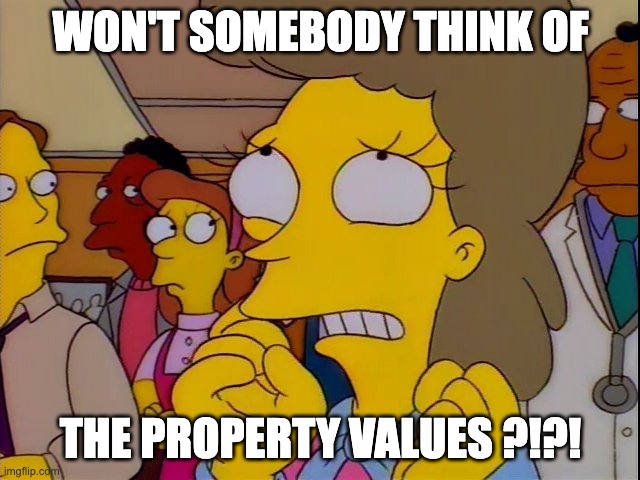
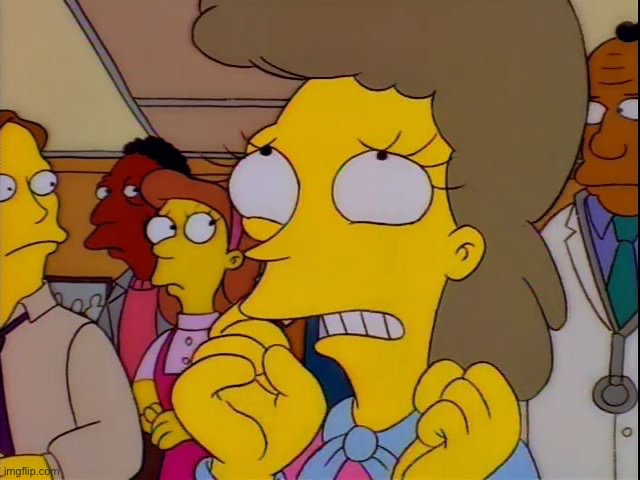
The "Won't Somebody Think of the Children" meme, originating from "The Simpsons," features Helen Lovejoy dramatically exclaiming the phrase. It's used to satirize exaggerated moral outrage, pearl-clutching, or an overly dramatic concern for the well-being of children (or any vulnerable group) in situations that don't genuinely warrant such alarm. Its typical caption pattern involves a minor or harmless event followed by the exaggerated plea. This meme remains effective in comments, posts, short-form edits, and online culture because of its universally recognized portrayal of performative concern. Creators often compare it with Am I A Joke To You for moments of challenging perceived trivialization, but with an ironic twist, or with Disappointed Muhammad Sarim Akhtar for expressing a less ironic form of concern. The format's strength lies in how it adapts to different scenarios, much like how Gandalf You Shall Not Pass has evolved to meet modern content creation needs by showing a strong, albeit ironic, boundary being set against perceived harm. Whether you're crafting a witty reply to an overreaction or building a narrative arc about societal moral panics, understanding how this template compares to Angry Flower can significantly enhance your creative output by showing a more outwardly dramatic and performative expression of concern. The template's enduring popularity stems from its ability to capture complex emotions in a simple, shareable format that resonates across different platforms and audiences.
Related memes
Hot Memes


